
Quick Answer
Automate board-meeting logistics and follow-up, but keep final minutes under accountable human control. AI can organize a human note-taker's draft when counsel approves the workflow, while recordings, transcripts, and privileged discussions require a stricter risk review.
Introduction
For seed and Series A teams, startup workflow automation can reduce the administration around a board meeting without turning a governance record into an uncontrolled data asset. AI-driven board meeting minutes do not beat human notes when they preserve every remark, create unnecessary discoverable material, or route sensitive discussion through a third party. A defensible process captures what the board decided, who owns the next action, and which materials informed the decision. The distinction matters most when strategy, financing, personnel, litigation, or legal advice enters the room.
Key Takeaways
Automate preparation, distribution, reminders, and action tracking before automating minutes.
Use concise human-curated minutes instead of a permanent verbatim transcript.
Require counsel-approved consent, retention, and vendor controls for any recording workflow.
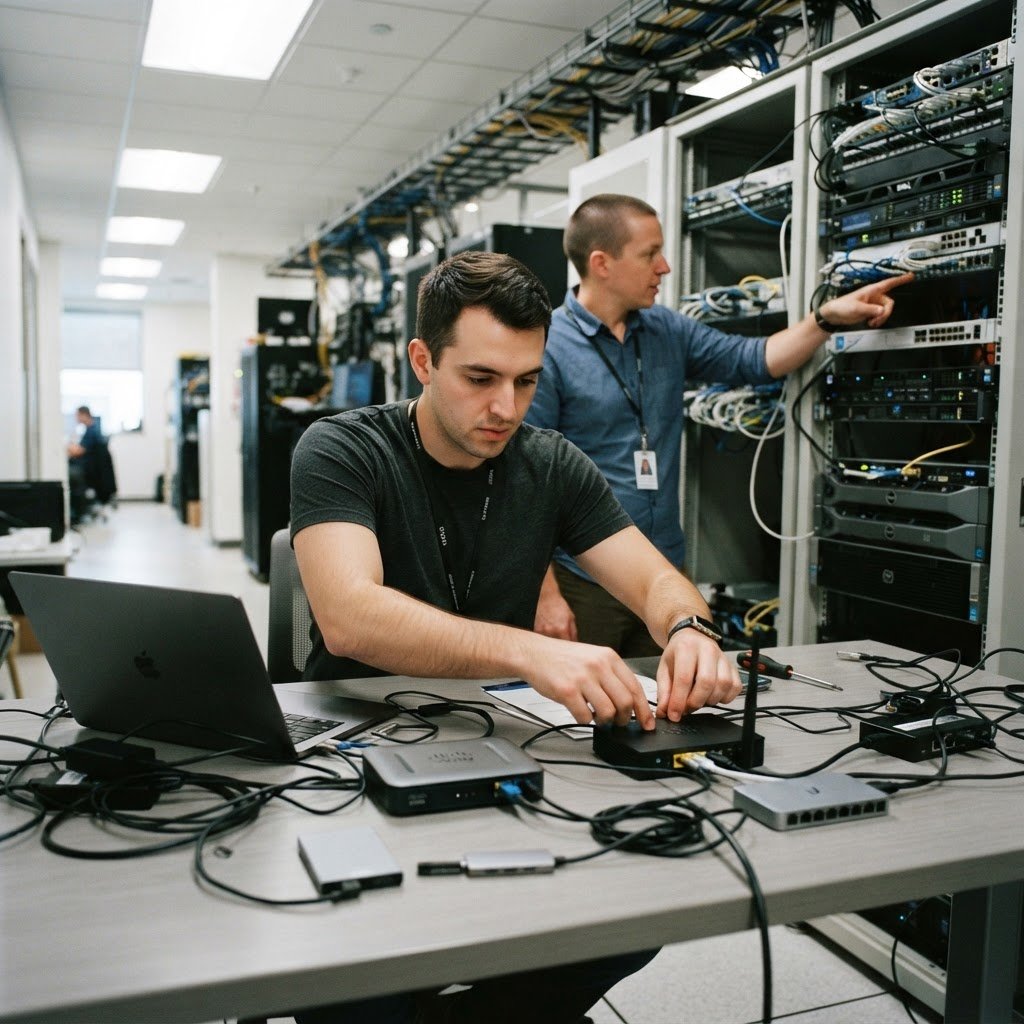
Board Meeting Workflow: Automate the Administrative Layer
Effective board meetings begin before directors join the call. The operating sequence is simple: prepare a board meeting agenda, assemble a packet, distribute pre-reads, conduct the meeting, document resolutions, assign actions, and close the loop. Each company should set its meeting cadence and packet-distribution timing to match its governing documents and board expectations. The IRS encourages nonprofits to contemporaneously document board minutes, and Form 990 asks whether the organization records its governing body’s actions, which makes minutes important evidence of active governance for tax-exempt organizations, according to IRS nonprofit meeting-minute guidance.[1]
What belongs in the board packet
A useful packet gives directors enough context to challenge assumptions without converting the meeting into a slide-reading exercise. The minutes themselves should later identify the date, time, and location, attendees, quorum, motions made, and voting outcomes, with the agenda, supplemental materials, and any resolutions attached or referenced, consistent with practical guidance on board minutes requirements.[2]
Agenda: Decisions, discussion topics, and time allocation.
Metrics: Revenue, burn, runway, pipeline, and operating indicators.
Pre-read: Narrative context for material changes and risks.
Resolutions: Draft approvals requiring formal board action.
Action register: Prior commitments, owners, and completion status.
Where automation creates low-risk leverage
Automation is most useful when it handles repeatable coordination rather than judgment. Board meeting management software can pull approved live metrics into a packet, schedule reminders, distribute pre-reads, maintain version control, and track actions with owners and due dates; see this guide to startup workflow automation for broader workflow-design considerations. A workflow should still require a founder or finance lead to verify that a live dashboard reflects the reporting period and that directors received the intended materials.
AI-Driven Board Meeting Minutes: Compare the Record, Not the Hype
AI transcription tools convert audio into text, while automated board meeting summaries extract topics, decisions, and tasks from that text. Those functions can save administrative time, but corporate governance meetings are not routine project check-ins: their records can become evidence, expose confidential strategy, or complicate legal privilege.
Human notes versus recorded AI summaries
The comparison below separates the useful automation layer from the governance record that needs deliberate editorial judgment.
Approach | Primary output | Governance exposure | Control point |
|---|---|---|---|
Human-curated notes | Decisions, votes, and actions | Limited to the approved record | Secretary or designated note-taker reviews |
AI transcript and summary | Audio-derived transcript plus draft summary | Expanded record and vendor data handling | Consent, retention, access, and counsel review |
AI draft from human notes | Structured first draft from selected inputs | Depends on approved data handling | Human validates every final statement |
The safer default is the third row: create minutes from deliberately scoped human notes, then have the corporate secretary, founder, or counsel-approved reviewer finalize the record. This preserves the time-saving benefit without making a full conversational transcript the starting point.
Communications between directors and AI tools are generally not protected by attorney-client privilege, and AI-assisted materials may be discoverable in litigation. An analysis of AI drafting board minutes also describes a court quoting chatbot conversations concerning a potential $250 million earnout payment.[3]
Why transcripts change the risk profile
Minutes are curated corporate records, not a replay of every question, disagreement, or incomplete thought. A transcript can create discoverable material beyond the final minutes, and summaries may preserve inaccurate inferences or sensitive details even after a polished record is approved. Executive sessions and discussions involving legal advice require special care because guidance on minutes notes that those proceedings have distinct requirements.
Recording also raises consent and notice questions that vary by jurisdiction, while retention settings determine how long audio, transcripts, prompts, and summaries remain accessible. These are compliance automation risks, not merely a configuration task, so founders should obtain advice from their own counsel before enabling an AI recorder.

Build a Safer Board Documentation Pattern
A safer pattern treats automation as support for the board process, not as an independent recorder of the board's deliberations. Designate a human note-taker, use a decision-focused template, separate executive sessions from ordinary discussion, and require a reviewer to confirm the final record against the motions, votes, and action owners. This approach supports informed board decisions while keeping the formal record proportionate to what directors actually approved.
Controls to set before the meeting begins
Do not use AI recording for executive sessions, privileged discussions, or any segment counsel identifies as sensitive. Where recording is permitted, obtain written consent, identify the purpose of the recording, limit access, define deletion timing, and prohibit repurposing meeting data for model training unless counsel has expressly approved that arrangement. Human oversight controls matter because a fluent summary can still omit a condition, misstate a vote, or confuse a proposal with an adopted resolution; teams should also apply documented AI governance practices to these workflows.
InPaceline is a founder operating system with live numbers synced from tools such as Stripe, QuickBooks, and Shopify, alongside an investor CRM, investor updates, and a guide to running a first startup board meeting.[4] Those live inputs can improve the numbers in a board pack without replacing the governance work of documenting board actions.
Evaluate tools through a governance lens
Before adopting any board or minutes tool, confirm where data is processed and stored, which vendor personnel can access it, whether inputs train models, how retention and deletion work, whether recording consent can be managed, and whether the company can export records on exit. An AI vendor checklist should also distinguish between security attestations and the narrower question of whether a vendor's terms support the company's confidentiality and privilege needs.
The decision rule is straightforward: the smaller and less sensitive the discussion, the more automation may be reasonable with documented controls; the more directors, legal advice, financing, employment, or dispute-related issues involved, the more the process should default to human notes and counsel direction. This is general operational guidance, not legal advice.

Conclusion
Use automation to make board preparation reliable, not to create an exhaustive record of deliberation. Keep the official minutes concise, decision-focused, and reviewed by a responsible human, particularly when the meeting covers privileged or sensitive matters. NinjaStudio.ai's technical analysis can help teams assess AI workflow tradeoffs with a production-focused lens, but counsel should approve the specific board-recording and retention policy. For most startup boards, human notes supported by narrowly scoped AI drafting are the practical line between efficiency and governance discipline.
For practical analysis of AI controls, NinjaStudio.ai offers additional resources on applying the same scrutiny to every high-stakes workflow.
Frequently Asked Questions (FAQs)
How to run an effective board meeting?
An effective board meeting uses a decision-oriented agenda, a reviewed pre-read, clear owners for follow-up, and minutes that record formal actions rather than every discussion point.
What should be included in a board meeting agenda?
A board meeting agenda should include approvals, strategic decisions, operating updates, financial review, risks, required resolutions, executive-session boundaries, and enough time for director questions.
Can AI generate board meeting minutes automatically?
AI can generate board meeting minutes automatically, but a designated human should validate the draft because transcripts and summaries can introduce confidentiality, retention, accuracy, and discoverability concerns.
Is digital board meeting software secure?
Digital board meeting software can be secure when its access controls, data location, retention, vendor access, export process, and contractual data-use terms meet the company's governance requirements.
What tools help with board meeting documentation?
Tools that help with board meeting documentation include agenda templates, secure packet distribution, action registers, approved metric reporting, and drafting workflows that preserve human review of final minutes.
What is the role of AI in corporate governance?
The role of AI in corporate governance is to support preparation, information organization, and controlled drafting while accountable people retain responsibility for decisions, records, oversight, and legal judgment.
Sources
- What are the IRS Requirements for Keeping Nonprofit Meeting Minutes? — moneyminder.com ↩
- What Are the Legal Requirements for Board Minutes? — diligent.com ↩
- AI Drafting Board Minutes? Hold Up, Wait a Minute. It's Complicated — The Harvard Law School Forum on Corporate Governance ↩
- First startup board meeting — inpaceline.com ↩