Scaling laws evolve beyond Chinchilla assumptions · Multi-agent orchestration patterns for production systems · Gemini Ultra vision: benchmark vs. real-world performance · Attention-free transformers challenge the dominant architecture · AI hiring market bifurcates: frontier labs vs. enterprise · Fine-tuning Llama 3 in 2026: the complete guide · Claude extended thinking: mapping the reasoning patterns · RAG pipelines in production: what still breaks in 2026Scaling laws evolve beyond Chinchilla assumptions · Multi-agent orchestration patterns for production systems · Gemini Ultra vision: benchmark vs. real-world performance · Attention-free transformers challenge the dominant architecture · AI hiring market bifurcates: frontier labs vs. enterprise · Fine-tuning Llama 3 in 2026: the complete guide · Claude extended thinking: mapping the reasoning patterns · RAG pipelines in production: what still breaks in 2026
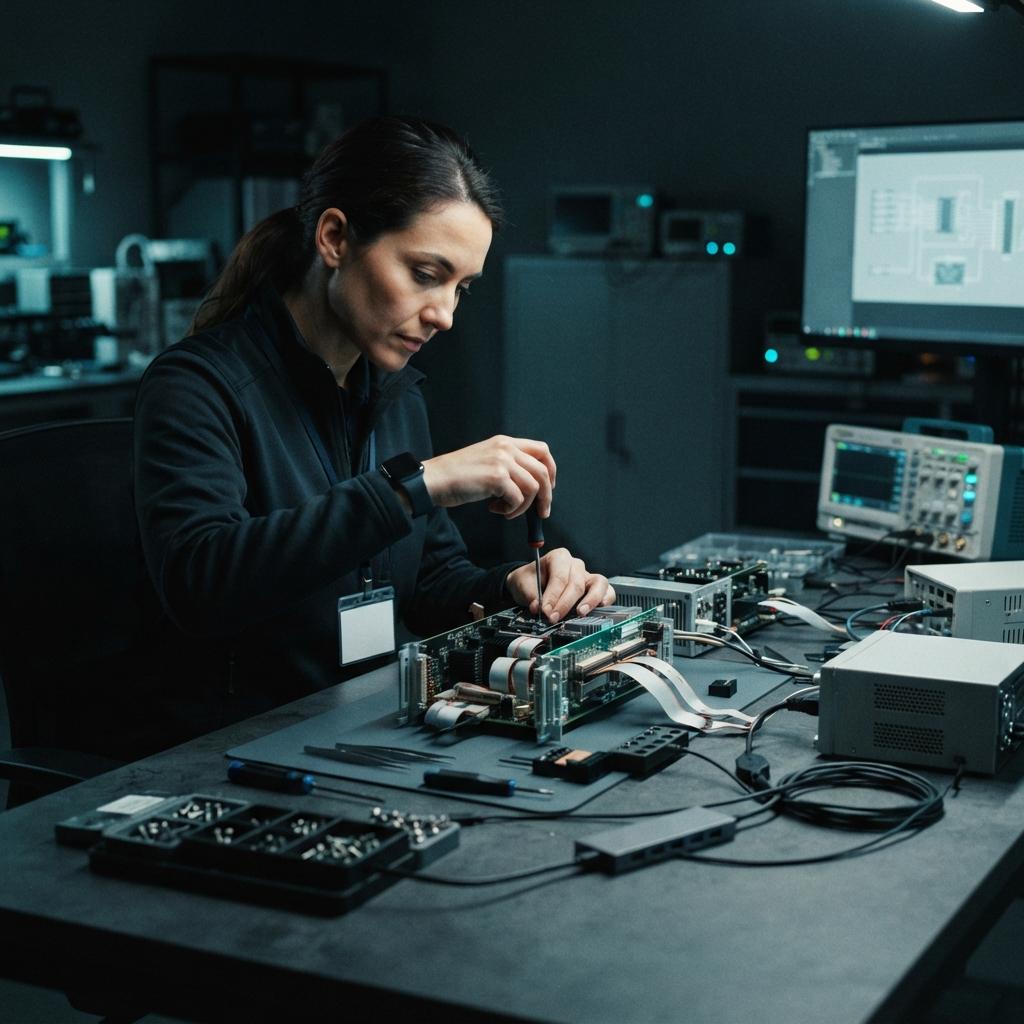

A balanced 2026 vector database comparison of Pinecone, Qdrant, and Milvus covering licensing, scale, filtering, and operations effort for engineering teams.
A practical 2026 guide to LLM tracing tool comparison, breaking down deployment, licensing, cost tracking and evaluation features across leading platforms.
A precise comparison of int8 inference optimization and int4 quantization performance for LLM serving, covering memory, speed, accuracy risk, and how to choose.
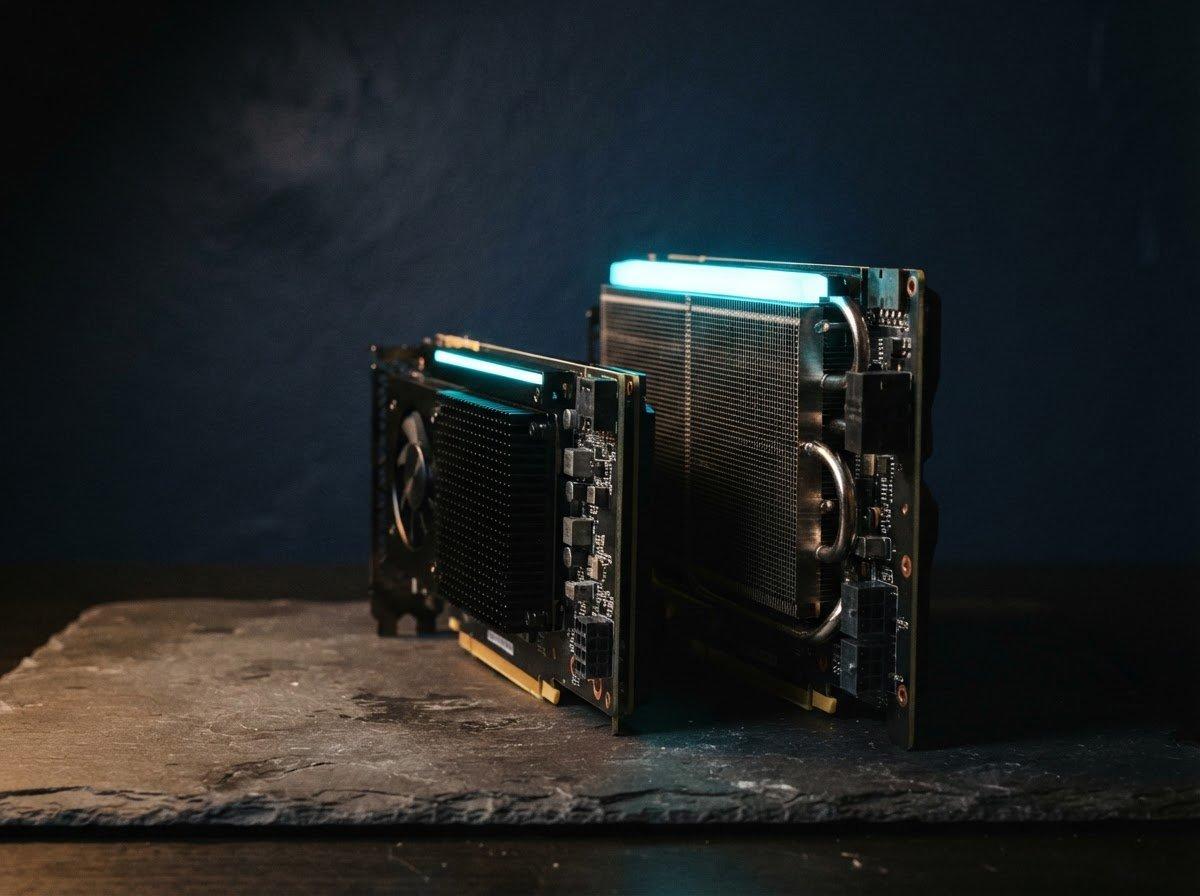
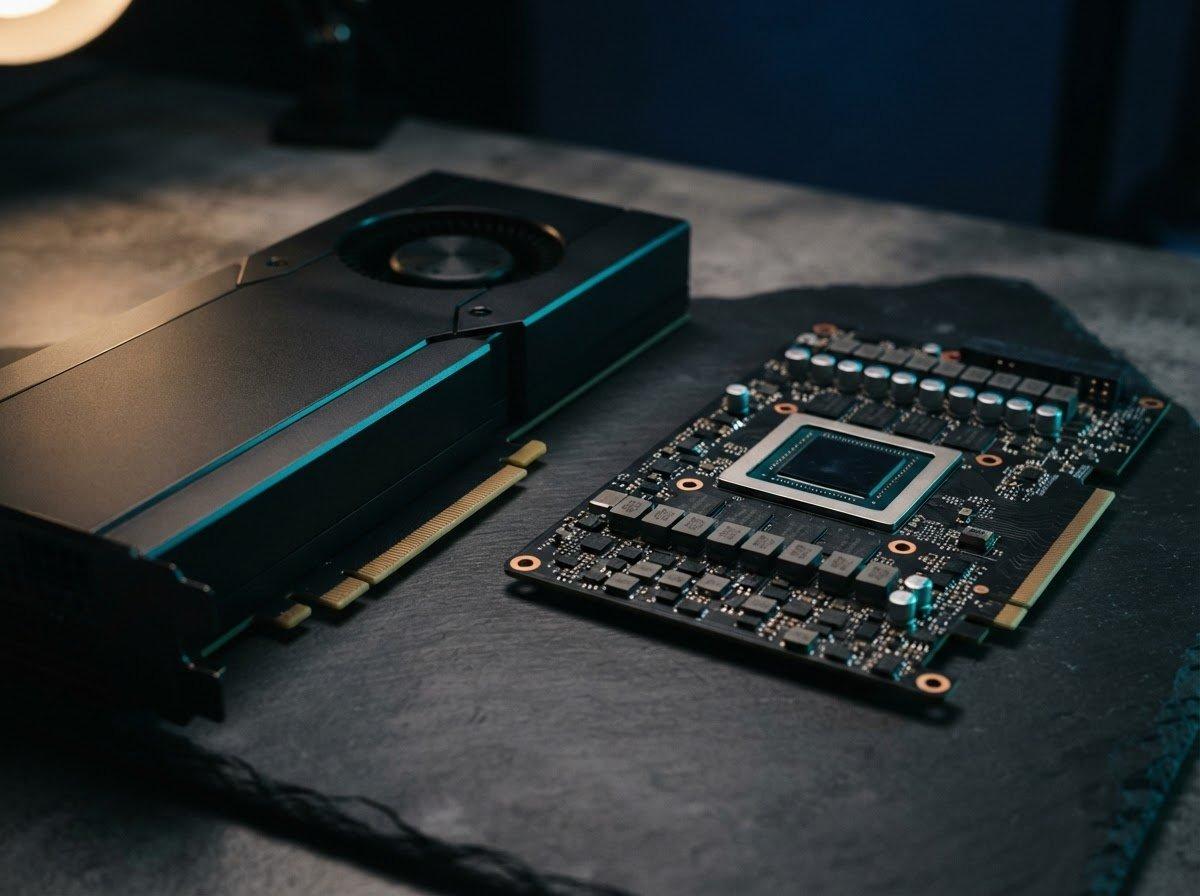
GPU vs TPU for LLM training: compare cost per token, throughput, scale-up limits, and software support to choose the right hardware for your 2026 workloads.
A practical comparison of LangChain and LlamaIndex for enterprise RAG, covering real deployments, scaling, and security so your team picks the right framework.
Explore which prompt injection defense techniques genuinely protect AI systems versus those that fail, with practical guidance for secure LLM deployment.
A technical deep dive into diffusion models vs autoregressive LLMs: architecture differences, speed, quality, and whether diffusion is production-ready in 2026.
Explore small language models vs LLMs in 2026: when compact AI models outperform large ones on cost, speed, and edge deployment for real production needs.
Mixture of experts promises cheaper inference, but does it always deliver? We break down when MoE architecture actually reduces compute costs in production.
Speculative decoding explained: see how this technique speeds up large language model inference, reduces costs, and compares to quantization for production AI.
Open-source LLM licensing is more complex than it looks. Learn what teams get wrong in 2026 and how to avoid costly compliance mistakes before deployment.
DPO vs GRPO in 2026: a technical comparison of preference optimization methods to help you choose the right training approach for your dataset and goals.
Does MCP replace function calling in 2026? We break down the real technical relationship between the model context protocol and tool use for AI engineers.
AI hallucination remains a core LLM challenge in 2026. Learn the technical causes behind hallucinations in generative AI and how teams are reducing risk today.
On-device LLMs are pushing edge AI into production. Learn the architecture, benchmarks, and hardware choices driving this shift for engineering teams in 2026.
AI agents are automating due diligence, but hallucinations create real liability risks. Learn who's accountable and how to safeguard your evaluation process.
Discover why LLMOps, not model quality, is the real reliability bottleneck in 2026. Learn the monitoring and evaluation gaps engineering teams must close.
Learn why context engineering outperforms basic prompt engineering in production AI systems, and avoid the common pitfalls costing engineering teams accuracy.
Explore reinforcement learning vs fine-tuning for LLM agents in 2026, comparing costs, complexity, and real-world production performance for engineering teams.
Explore how AI development evolved from vibe coding to autonomous agents in 2026, with practical insights for engineers building production-ready systems.
Static RAG pipelines are breaking down in production. Discover why agentic RAG is replacing fixed retrieval and what it means for your 2026 architecture.
LangChain framework guide for 2026: learn how engineering teams deploy LLM orchestration, agents, and RAG pipelines in real enterprise production systems.
Scripted chatbot flows are losing ground to agentic design. Learn what's driving this shift and how to evaluate AI chatbots for production readiness in 2026.
Discover how RLHF is transforming enterprise AI in 2026, improving model reliability, safety, and alignment for production-grade systems and real deployments.
Understand why ChatGPT citations happen the way they do, from ranking signals to source retrieval methods. Explore the mechanics behind AI recommendations.
Anthropic's extended thinking mode gives Claude a genuine scratchpad for multi-step reasoning. We mapped how it actually uses that scratchpad — and found surprising patterns.
The Chinchilla era assumed compute and data scale together. GPT-4o's architecture changes that assumption — and the implications reach further than most realize.