Quick Answer
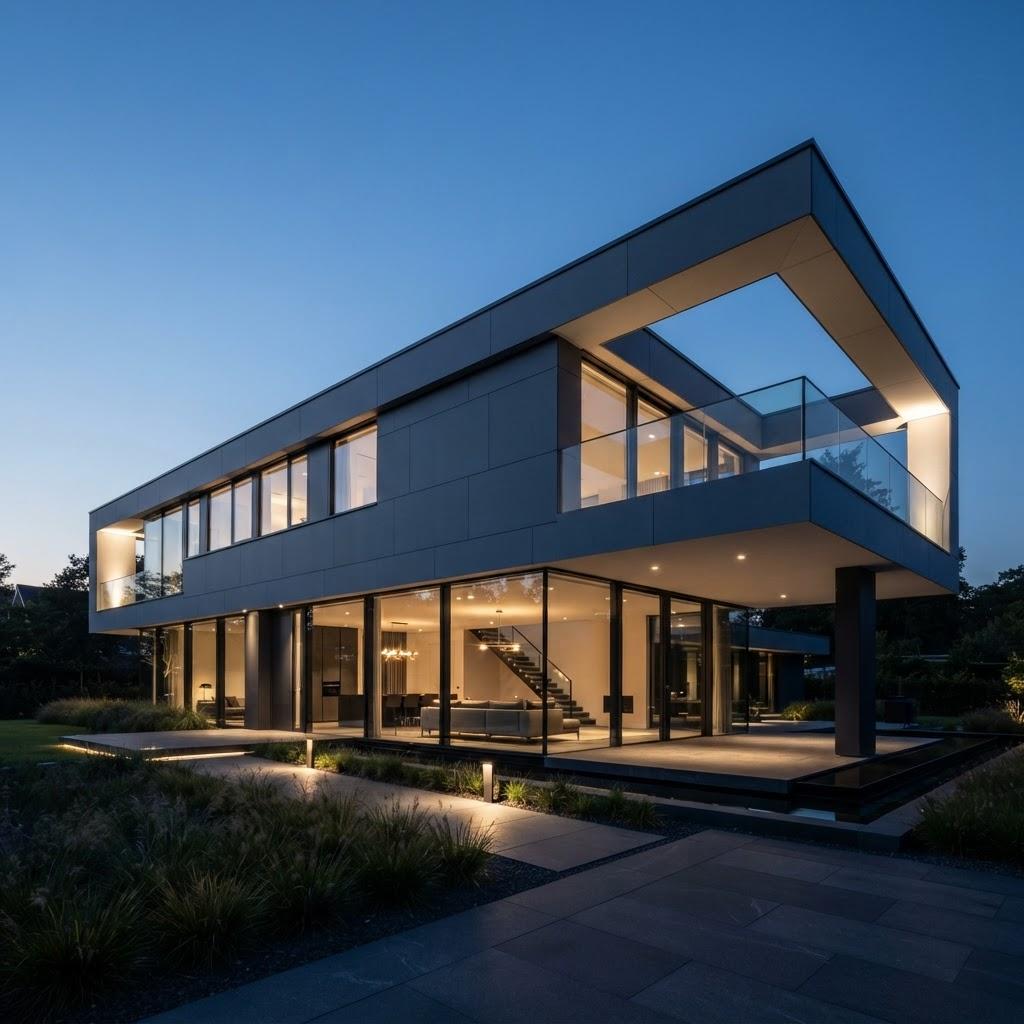
Spec homes are outperforming custom builds in 2026 because they deliver faster move-in timelines, more predictable pricing, and construction quality that has caught up to custom-tier finishes. For most buyers navigating high rates and volatile material costs, the tradeoff of fewer design choices is worth the certainty of a fixed price and a defined closing date.
Introduction
The custom home has long been treated as the pinnacle of American homeownership, but that assumption is quietly breaking down. In 2026, spec homes, houses built by developers before a buyer signs a contract, are winning on the metrics buyers actually care about: total cost, timeline certainty, and financing simplicity. Custom builds now routinely stretch past 14 months, while spec homes in most major markets are move-in ready within weeks of contract. Material volatility, labor scarcity, and mortgage rates hovering near 6.5 percent have made every month of construction risk expensive, and buyers are responding by choosing homes they can walk through before signing.
Key Takeaways:
Spec homes now close 8 to 12 months faster than comparable custom builds, drastically reducing carrying costs and rate exposure.
Standardized design libraries and volume purchasing let spec builders match custom-tier finishes at 15 to 25 percent lower total cost.
Regional supply, especially in Texas and Florida, has created a spec inventory glut that favors buyers on price and incentives.
Why Spec Homes Are Winning in 2026
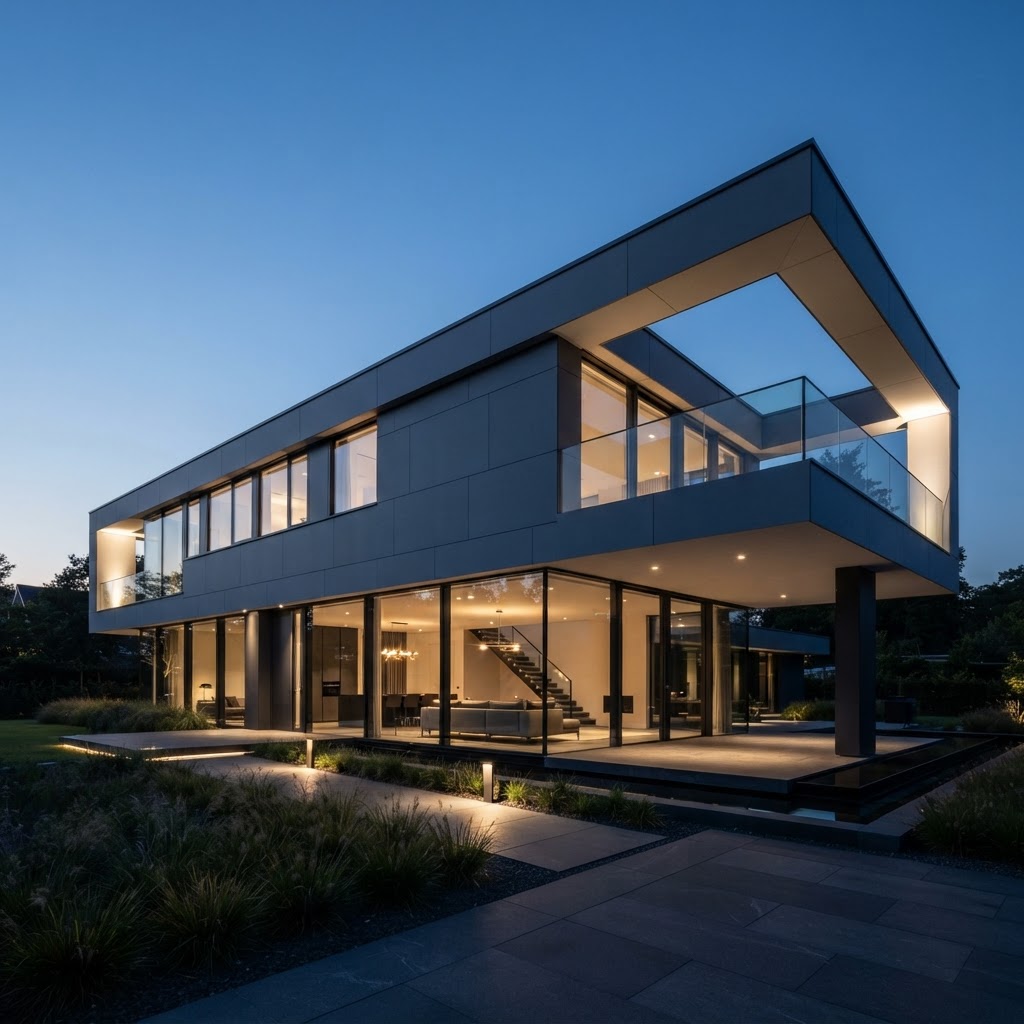
The shift toward spec home construction in 2026 is not aesthetic; it is economic. Buyers facing tight monthly budgets and unpredictable rate movements need certainty, and spec homes package price, timeline, and product into a single fixed decision. That predictability has become more valuable than the freedom of customization.
The Cost and Timeline Advantage
Custom builds carry hidden costs that rarely show up in the initial contract, from change orders to extended interest-only construction loans. Spec builders sidestep most of these frictions through volume, repetition, and pre-negotiated supplier contracts. According to the NAHB Housing Market Index, builder confidence sat at just 34 in July 2026, with 37 percent of builders cutting prices and 63 percent offering sales incentives, a signal that standing inventory, not custom backlogs, is where builders are now competing hardest for buyers.
Fixed pricing: Spec contracts lock the purchase price before closing, insulating buyers from mid-build material spikes.
Faster financing: A traditional mortgage replaces the two-loan construction-to-perm structure custom builds require.
Compressed timeline: Most spec homes close in 30 to 60 days versus 12 to 18 months for custom.
Lower carrying risk: Buyers avoid paying rent plus construction interest during a lengthy build.
Bundled incentives: Builders often absorb closing costs or buy down rates to move standing inventory.
Cost of Spec Homes vs Custom Builds
The gap between spec and custom pricing has widened as labor shortages and specialty trades have pushed custom premiums higher. A spec home in a well-run community typically delivers 90 to 95 percent of the custom experience at a materially lower total cost, especially once financing and delay risk are priced in. Editorial teams at NinjaStudio.ai have tracked similar patterns in AI infrastructure decisions, where standardized platforms consistently outperform bespoke builds on total cost of ownership.
Factor | Spec Home | Custom Build |
|---|---|---|
Average Timeline | 30 to 60 days to close | 12 to 18 months |
Price Certainty | Fixed at contract | Subject to change orders |
Total Cost Premium | Baseline market price | 15 to 30 percent higher |
Financing | Standard mortgage | Construction-to-permanent loan |
Customization | Limited to finishes and options | Fully bespoke |
The most decisive column is timeline. Every month of a custom build exposes the buyer to rate movement, material inflation, and life circumstance changes, all of which quietly erode the value of the customization premium.
Regional Dynamics and What Buyers Should Evaluate
Spec home performance is not uniform across the country. Regional supply, land costs, and builder concentration create meaningfully different value equations, and buyers should treat national headlines with caution when evaluating a local market.
Spec Homes in Texas and Florida
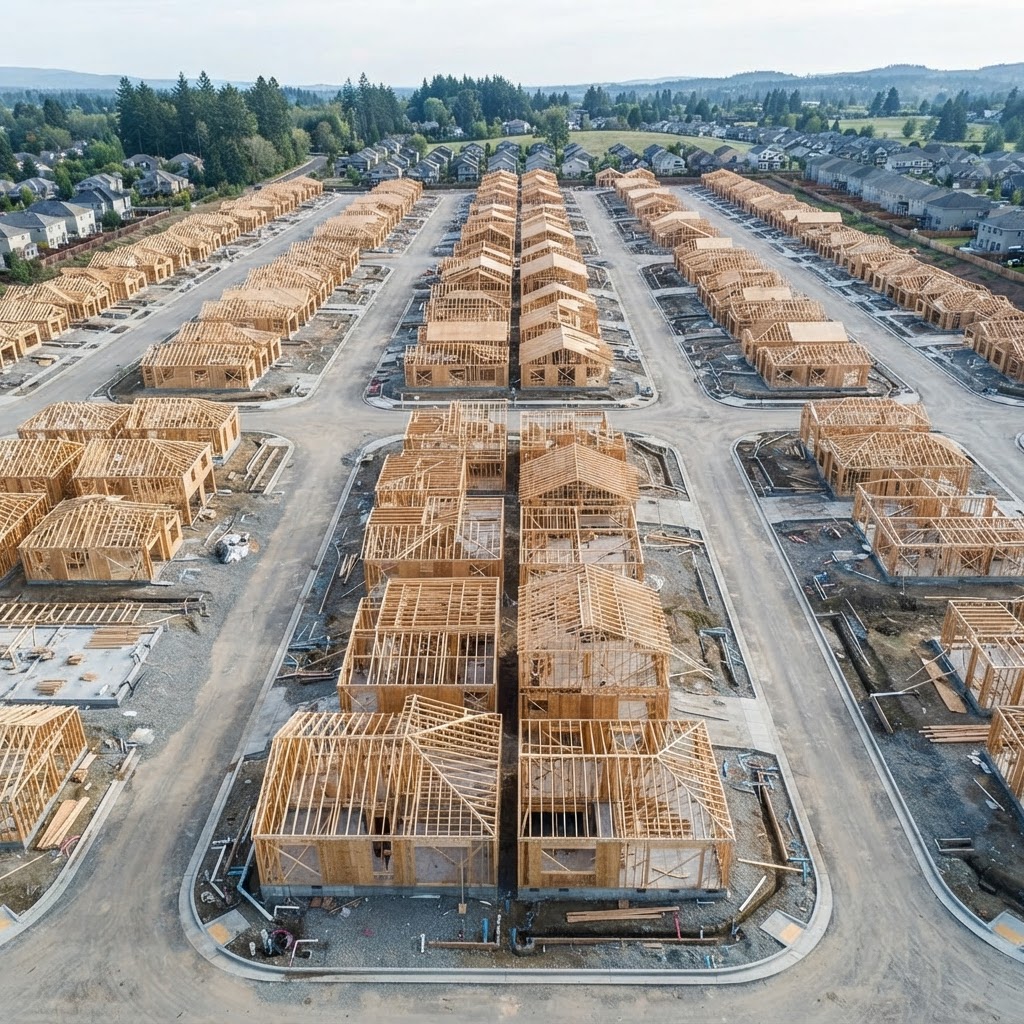
Texas and Florida account for a disproportionate share of new spec inventory in 2026, driven by permissive zoning, active builders, and sustained migration. Spec homes in Texas, particularly in the Austin, San Antonio, and Dallas-Fort Worth corridors, are trading below appraised value in some submarkets because builders overbuilt during the 2023 to 2025 push. Spec homes in Florida tell a similar story in Central Florida and the Gulf Coast, though insurance costs create a separate underwriting question buyers must answer. Harvard's Joint Center for Housing Studies documented how persistent affordability pressure has pushed buyers toward faster, cheaper construction paths in these exact markets. The best spec home builders in 2026 are the ones offering rate buydowns, closing cost credits, or lot premium waivers to clear standing inventory.
How to Evaluate a Spec Home Before Buying
Buying a spec home rewards diligence in different areas than a custom build. Because the house is already framed or finished, the evaluation shifts from choosing finishes to auditing what has been built. Inspect the builder's warranty terms carefully, verify HVAC and roofing brands against the marketing materials, and confirm which finishes are standard versus premium upgrades. Ask for the certificate of occupancy date and any pending punch list items in writing, using a resource like Ease's final walkthrough checklist to make sure nothing gets missed.
NAR's own 2026 market outlook confirms why builder-paid rate buydowns have become a decisive negotiating lever, noting that nearly two-thirds of builders are now offering incentives beyond price cuts, and buyers should treat them as a real dollar figure when comparing offers.
Conclusion
Spec homes are not a compromise in 2026; they are a rational response to a housing market where time, rate exposure, and pricing certainty carry real financial weight. Custom builds still make sense for buyers with unusual lot conditions, specialized needs, or the patience to absorb an 18-month timeline, the same tradeoff logic covered in AI agent decision-making- but for the median buyer, the math has tipped. Standardized design, volume purchasing, and builder incentives now combine to deliver a product that competes credibly on quality while winning decisively on cost and speed, the same standardization advantage covered in production AI infrastructure essentials. Buyers who evaluate spec homes with the same rigor they would apply to a custom build will find the tradeoffs increasingly favorable, the same discipline covered in AI model benchmarks and production reality. The old assumption that custom always wins deserves a fresh look.
Want sharper analysis on how market shifts like this reshape buyer behavior? Explore more research-driven breakdowns from NinjaStudio.ai and subscribe to The Weekly Signal for grounded insights every Friday.
Frequently Asked Questions (FAQs)
What is a spec home?
A spec home is a house built by a developer on speculation, meaning construction begins before a buyer is under contract.
Are spec homes cheaper than custom homes?
Spec homes typically cost 15 to 25 percent less than comparable custom builds because volume purchasing, standardized designs, and shorter timelines reduce total construction costs.
Is buying a spec home a good investment?
Spec homes can be strong investments in supply-heavy markets like Texas and Florida where builders offer rate buydowns and closing incentives that improve total-cost economics.
How long does it take to build a spec home?
Most spec homes are finished or nearly finished when listed, so buyers typically close within 30 to 60 days rather than the 12 to 18 months a custom build requires.
Can you customize a spec home after purchase?
Yes, buyers can renovate or upgrade a spec home after closing, though structural changes are more expensive than selecting options during a custom build.
What are the pros and cons of spec homes vs custom homes?
Spec homes offer speed, price certainty, and simpler financing, while custom homes offer full design control at the cost of longer timelines, higher prices, and greater exposure to rate and material risk.
Are spec homes in Texas worth buying in 2026?
Spec homes in Texas are especially attractive in 2026 because oversupply in metros like Austin and Dallas has pushed builders to offer aggressive incentives on standing inventory.
About the Author
Amelia Grant is a Content Marketing Manager and technology writer who covers AI innovation, software development, and business automation. Her analytical approach to market shifts and standardized systems informs her coverage of how economic pressures reshape buyer behavior across industries. She writes for NinjaStudio.ai, translating complex market dynamics into practical, decision-useful analysis.